
Gladius is one of the first major skill checks in Elden Ring Nightreign and a boss that catches many players off guard.
At first glance, the fight appears straightforward — a fast melee enemy with aggressive combos. However, once Gladius enters later phases and begins chaining attacks with little downtime, unprepared players often find themselves overwhelmed.
The good news is that Gladius has several exploitable weaknesses, predictable attack patterns, and clear punish windows that can turn a difficult encounter into a consistent victory.
This guide covers everything you need to know, including weaknesses, phase strategies, recommended builds, rewards, and the best tactics for both solo and co-op expeditions.
Gladius Boss Overview
| Category | Information |
|---|---|
| Boss Name | Gladius |
| Location | Nightreign Expedition Boss |
| Difficulty | Medium |
| Recommended Level | Expedition Endgame |
| Damage Type | Primarily Physical |
| Solo Difficulty | Moderate |
| Co-op Difficulty | Easy – Moderate |
Gladius rewards patience more than aggression.
Players who greed for extra attacks often get punished immediately.
Gladius Weaknesses
Primary Weaknesses
Gladius is particularly vulnerable to:
- Bleed
- Stagger Damage
- Jump Attacks
- Heavy Weapons
Bleed builds can dramatically shorten the encounter due to percentage-based damage bursts. Weapons capable of consistently staggering the boss are also extremely effective.
Best Damage Types
Recommended:
- Bleed
- Heavy Physical
- Frost
Less Effective:
- Low stagger weapons
- Pure defensive setups
- Extremely slow recovery attacks
A balance of mobility and damage performs best.
Recommended Builds for Gladius
Best Solo Build
A survivability-focused build remains the safest option.
Priorities:
- High HP
- Reliable healing
- Bleed application
- Stagger potential
Players using glass-cannon builds often struggle during the later stages of the fight.
Best Co-op Build
In multiplayer, one player can maintain pressure, one can focus on survivability, and one can apply status effects. This significantly increases overall consistency.
Phase 1 Strategy
What to Expect
During the opening phase, Gladius relies heavily on basic melee chains, gap-closing attacks, and quick directional strikes. Although aggressive, these attacks are highly telegraphed.
Best Response
Focus on learning attack timing, conserving healing resources, and avoiding unnecessary trades. This phase is primarily about preparation for what comes later.
Punish Windows
The safest opportunities occur after combo finishers, jump attacks, and heavy recovery animations. Avoid attacking during active chains. Patience is rewarded.
Phase 2 Strategy
Phase 2 is where many runs fail. Gladius becomes significantly more aggressive and leaves fewer openings.
Key Changes
Expect faster combos, longer attack strings, increased mobility, and greater pressure. Players who panic-roll frequently get caught by delayed follow-up attacks.
How to Survive
Instead of rolling immediately:
- Watch the full combo.
- Delay your dodge.
- Counterattack after recovery.
Most deaths occur because players attempt to interrupt attacks rather than avoid them.
Phase 3 Strategy
The final stage transforms the fight into an endurance test. Mistakes become much more punishing.
Priority Goals
Focus on maintaining stamina, preserving healing charges, and avoiding greed. Many players lose winning runs because they attempt to finish the boss too quickly.
Safe Damage Method
The most reliable strategy is:
- Dodge combo.
- Land one or two attacks.
- Reset position.
- Repeat.
While slower, this approach dramatically improves consistency.
Best Solo Strategy

For solo players, survivability matters more than maximum DPS.
Recommended Priorities
- Health
- Healing
- Bleed
- Damage
- Utility
The fight becomes much easier when you can survive occasional mistakes.
Positioning Tips
Stay close enough to bait predictable attacks but far enough to react comfortably. Being too aggressive often causes unnecessary damage.
Best Weapons Against Gladius
Greatswords
Advantages: excellent stagger damage, reliable punish opportunities, strong survivability.
Katanas
Advantages: fast attacks, bleed buildup, safe recovery frames.
Bleed Weapons
Bleed remains one of the strongest options available. Benefits include high boss damage, percentage-based bursts, and strong scaling throughout expeditions.
Common Mistakes
- Panic Rolling — One of the leading causes of death. Many attacks are delayed specifically to punish early dodges.
- Overcommitting — Landing one extra attack is rarely worth the risk.
- Ignoring Stamina — Running out of stamina during a combo often leads to disaster. Always leave enough stamina for an emergency dodge.
- Entering Underprepared — Before challenging Gladius, ensure weapons are upgraded, relics are optimized, and healing resources are stocked.
Gladius Rewards
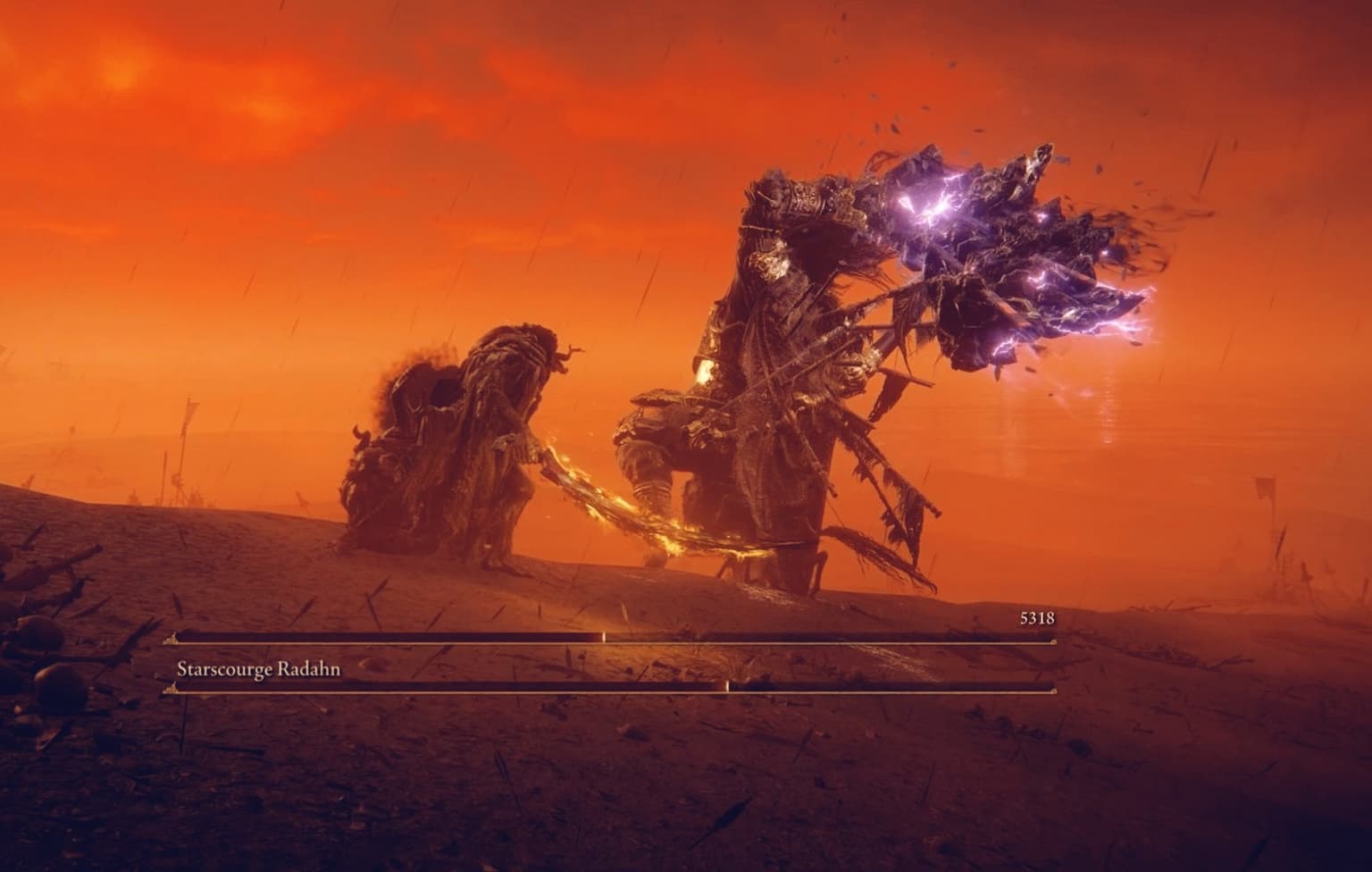
Defeating Gladius grants expedition progression rewards and contributes toward unlocking stronger future runs.
Rewards may include:
- Expedition progression
- Upgrade resources
- Relic opportunities
- Additional Nightreign advancement
The exact rewards can vary depending on expedition progression and current run conditions.
Best Relics for Fighting Gladius
Defensive Relics
- Increased maximum HP
- Damage reduction
- Healing effectiveness
Offensive Relics
- Bleed enhancement
- Stagger bonuses
- Physical damage boosts
Utility Relics
- Stamina regeneration
- Dodge efficiency
- Cooldown reduction
A balanced relic setup usually outperforms pure damage stacking.
Solo vs Co-op: Which Is Easier?
Solo
Pros: Full control of boss aggro, easier attack prediction, no dependency on teammates.
Cons: No revives, less room for mistakes.
Co-op
Pros: Shared aggro, higher overall damage, recovery opportunities.
Cons: Boss targeting becomes less predictable, team mistakes can snowball quickly.
For experienced players, solo can actually feel more consistent.
Frequently Asked Questions
What is Gladius weak to?
Gladius is particularly vulnerable to Bleed, stagger damage, heavy weapons, and aggressive melee pressure.
Is Gladius difficult?
Gladius is generally considered a medium-difficulty boss but serves as an important skill check for newer players.
What is the best build against Gladius?
Bleed-focused and stagger-focused builds consistently perform the best.
Can Gladius be defeated solo?
Yes. With proper positioning, patience, and survivability, solo victories are highly achievable.
What weapon type works best?
Greatswords, Katanas, and Bleed weapons tend to produce the most reliable results.
Final Thoughts
Gladius is designed to punish impatience.
Players who focus on maximizing damage often struggle, while those who learn attack timings, exploit stagger opportunities, and build around survivability tend to defeat the boss consistently.
If you are having trouble with the fight, focus first on staying alive, then on exploiting Bleed and stagger weaknesses. Once you recognize the boss attack patterns, Gladius becomes one of the most reliable encounters to clear in Elden Ring Nightreign.
Master this fight, and you will be much better prepared for the even greater challenges waiting later in Nightreign.