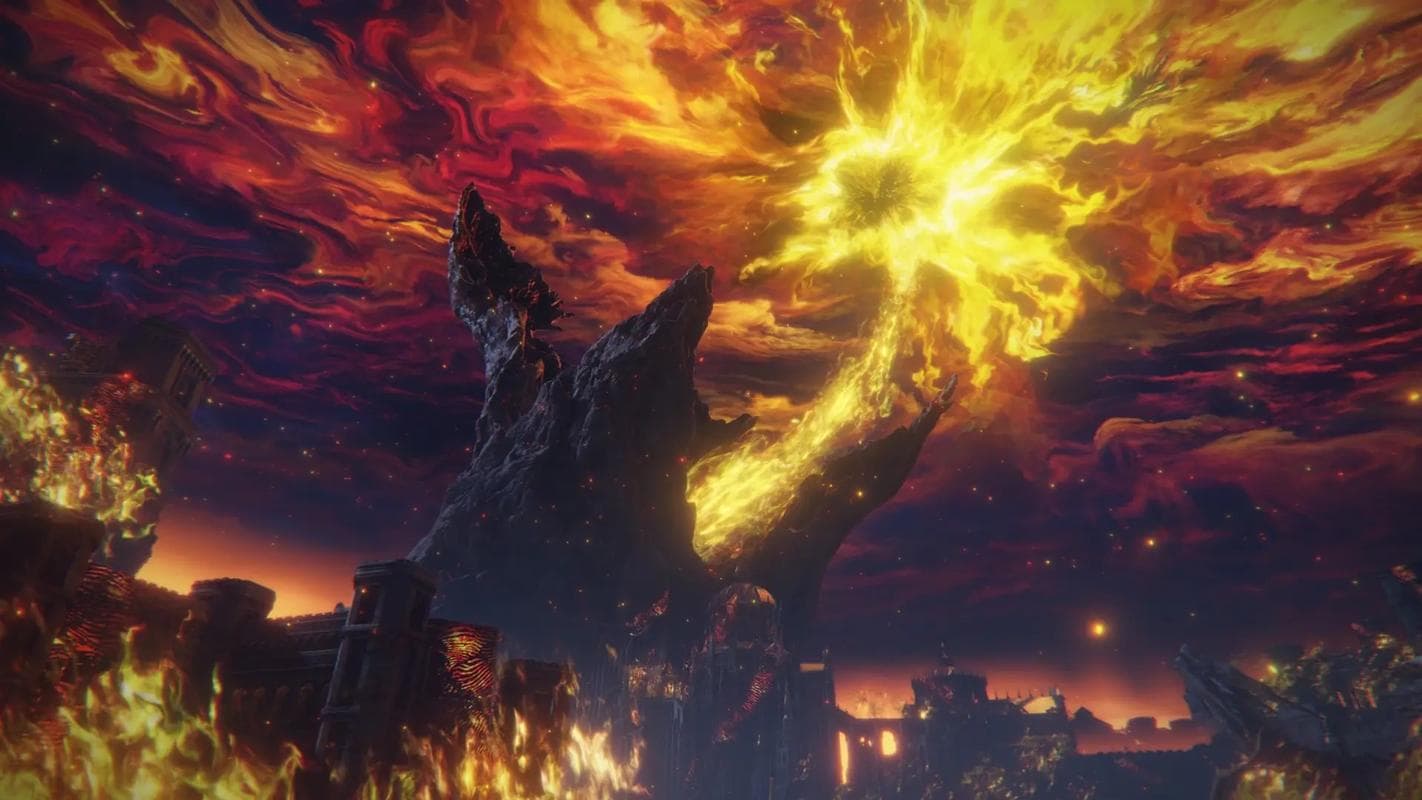
Fire Giant is one of the most misunderstood bosses in Elden Ring.
Many players reach the Mountaintops of the Giants expecting a traditional late-game encounter. Instead, they find themselves fighting a massive enemy that barely fits on the screen.
The result is frustration.
Attacks seem impossible to read.
The camera feels like an enemy.
Phase 2 appears to last forever.
Most players assume Fire Giant is difficult because he deals enormous damage.
The truth is different.
Fire Giant is difficult because players attack the wrong target.
Once you understand his weak points, positioning, and phase transitions, the fight becomes dramatically easier.
Quick Answer
If you want the fastest way to beat Fire Giant:
- Attack the injured left leg during Phase 1
- Stay mounted whenever possible
- Ignore most body parts and focus on weak spots
- Move behind him during fire attacks
- Attack his hands during Phase 2
- Prioritize survival over damage
Most failed attempts happen because players chase damage instead of positioning.
Boss Overview
| Category | Details |
|---|---|
| Location | Mountaintops of the Giants |
| Boss Type | Mandatory Story Boss |
| Recommended Level | 100–120 |
| Recommended Vigor | 45–60 |
| Weaknesses | Bleed, Frost |
| Biggest Challenge | Weak Spot Management |
Fire Giant has one of the largest health pools in the base game.
However, understanding his weak points significantly reduces the fight's difficulty.
Why Fire Giant Feels So Difficult
Many Elden Ring bosses reward reaction speed.
Fire Giant rewards positioning.
The boss creates three major problems:
Massive Size
His body frequently blocks important visual information.
Players often lose track of attack animations.
Camera Issues
Lock-on can become a disadvantage.
Many attacks become easier to avoid when fighting without permanent lock-on.
Weak Spot Mechanics
Most players waste time attacking areas that take reduced damage.
The fight becomes much longer than necessary.
Understanding Fire Giant's Weakness
The most important mechanic in the entire encounter is his injured leg.
The giant wears a damaged brace around one ankle.
This is not visual decoration.
It is the primary weak point of Phase 1.
Ignoring this mechanic dramatically increases fight duration.
Phase 1 Strategy
Phase 1 is all about one target:
The injured left leg.
Nothing else matters.
Stay Near The Injured Leg
The safest position is directly beside the damaged ankle.
Many of Fire Giant's strongest attacks struggle to hit players who remain underneath him.
Why The Left Leg Matters
Attacking the injured leg deals increased damage.
Eventually the brace breaks.
This creates one of the largest damage opportunities in the fight.
Common Mistake
Many players attack:
- Right leg
- Torso
- Random body parts
This slows the fight dramatically.
Always prioritize the damaged ankle.
How To Counter The Snow Shovel Attack
One of Fire Giant's most recognizable attacks.
He drags a massive plate through the snow.
Best Counter
Roll toward the attack rather than away from it.
Rolling backward often causes the hitbox to connect.
Punish Window
After the attack completes, the injured leg is usually exposed again.
How To Counter The Rolling Escape
Fire Giant frequently rolls away when pressured.
Best Counter
Immediately use Torrent.
Do not chase on foot.
Maintaining pressure is essential.
The Critical Phase Transition
At approximately 50% health, Fire Giant enters Phase 2.
This is where many players fail.
The reason is simple.
The weak point changes.
What worked during Phase 1 is no longer optimal.
Phase 2 Strategy
Phase 2 is less about mobility and more about target selection.
The giant sacrifices his injured leg and begins using powerful fire attacks.
Most players continue attacking his feet.
This is usually a mistake.
The Best Target In Phase 2
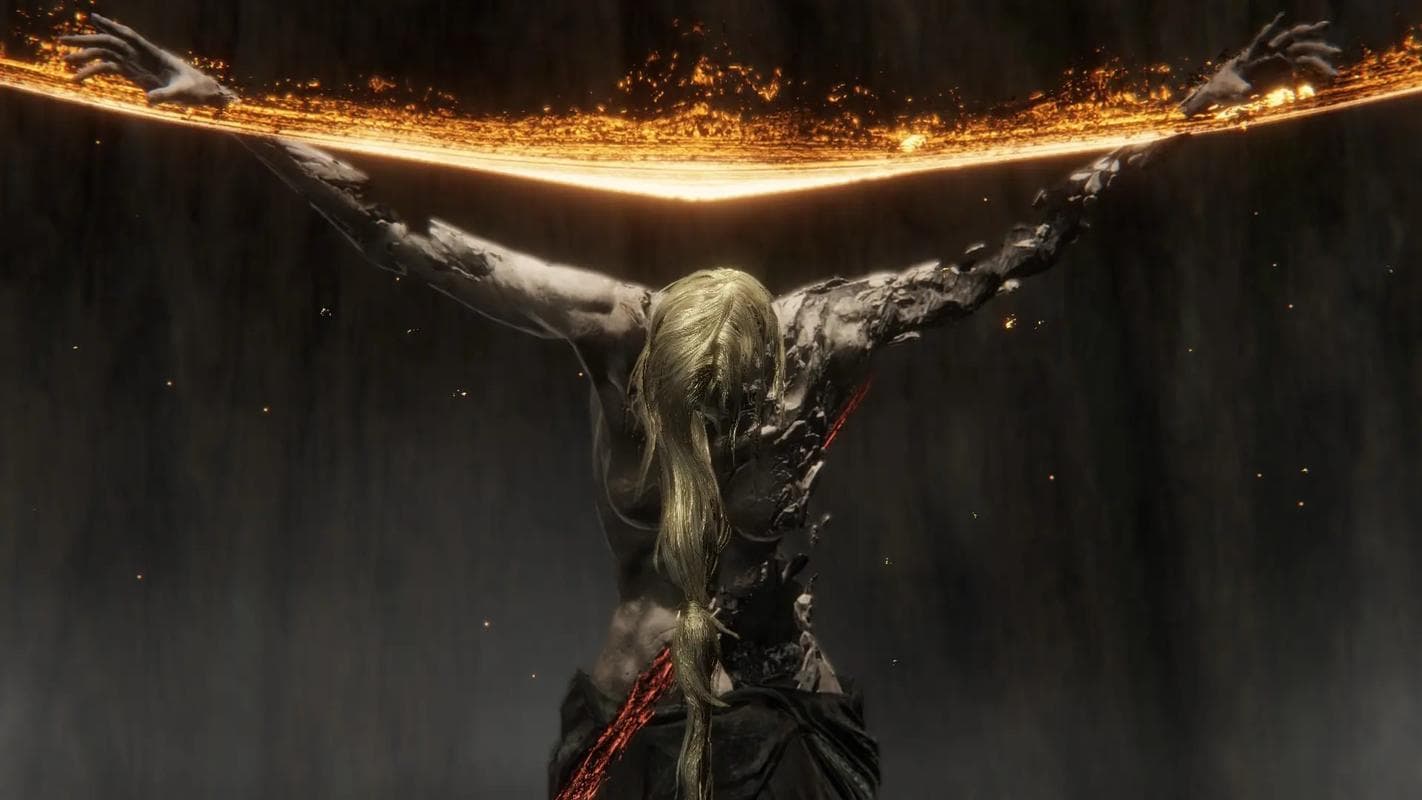
The hands become the most valuable damage opportunity.
Whenever Fire Giant places his hands on the ground:
Attack immediately.
These moments create significantly better damage windows than attacking his legs.
Why Players Struggle In Phase 2
The fight feels longer because players spend most of the phase attacking low-value targets.
This creates the illusion that Fire Giant has unlimited health.
Targeting the hands dramatically improves damage efficiency.
How To Counter Fire Orbs
Fire Giant summons floating fire spheres.
These are responsible for many unexpected deaths.
Best Counter
Keep moving.
The orbs are designed to punish stationary players.
Common Mistake
Many players focus entirely on the boss and forget the orb exists.
How To Counter The Fire Pillars
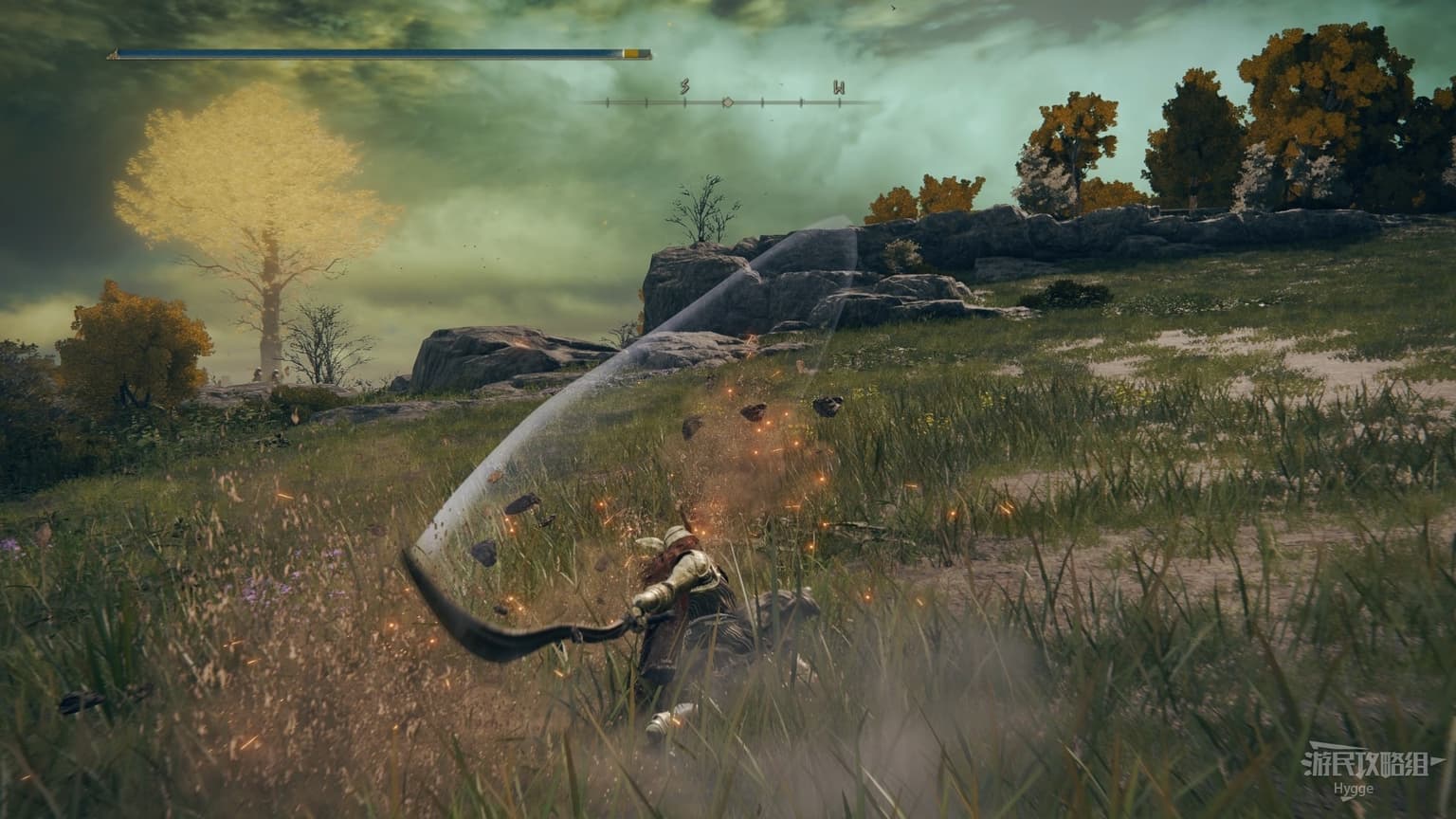
Large areas of the arena erupt in flames.
Best Counter
Watch the ground.
The warning indicators appear before the explosion.
Sprint away immediately rather than attempting late rolls.
Camera Management Tips
Fire Giant is one of the few bosses where camera control becomes a mechanic.
When To Lock On
Use lock-on:
- During approach
- During ranged observation
When To Unlock
Unlock camera:
- While attacking legs
- During close-range positioning
- During mounted movement
This provides significantly better visibility.
Best Positioning Throughout The Fight
Positioning determines success more than build choice.
Phase 1
Stay:
- Near the injured ankle
- Underneath the boss
- Slightly behind his movement direction
Phase 2
Stay:
- Near hands during openings
- Behind the giant during fire attacks
- Mobile at all times
Never remain stationary for long periods.
Best Builds Against Fire Giant
Bleed Builds
Advantages:
- Percentage-based damage
- Excellent performance against high health pools
One of the strongest choices for this fight.
Frost Builds
Advantages:
- Large burst windows
- Consistent damage increase
Excellent throughout both phases.
Strength Builds
Advantages:
- Strong stagger potential
- Powerful punish attacks
Most effective when targeting hands in Phase 2.
Fine-tune your Fire Giant build with the Build Planner — the right Vigor and damage balance makes a big difference against his high-damage attacks.
The Three Biggest Mistakes Players Make
Attacking The Wrong Body Parts
The most common mistake.
Always prioritize weak spots.
Fighting On Foot During Chase Sequences
Torrent exists for a reason.
Use him.
Ignoring Positioning
Fire Giant punishes poor positioning more than poor damage output.
Why Fire Giant Is Actually A Mechanics Test
Many players view Fire Giant as a health sponge.
This is only true when his mechanics are ignored.
The fight teaches:
- Weak point targeting
- Camera control
- Arena management
- Mounted combat
Players who understand these systems usually defeat him much faster than expected.
FAQ
What level should I be for Fire Giant?
Most players succeed between Level 100 and 120.
What is Fire Giant weak to?
Bleed and Frost are among the strongest damage types.
Should I use Torrent?
Yes. Torrent dramatically improves mobility and positioning.
Where should I attack Fire Giant?
Attack the injured left leg during Phase 1 and the hands during Phase 2.
Why does Phase 2 take so long?
Most players continue attacking low-value targets instead of exploiting hand damage windows.
Is Fire Giant one of the hardest bosses in Elden Ring?
Mechanically, not usually. Most difficulty comes from positioning mistakes and weak spot misunderstanding.