
Bloodhound's Fang is one of the best weapons in Elden Ring for both beginners and experienced players.
This curved greatsword can be obtained early, requires only moderate stats, deals massive physical damage, applies bleed, and remains effective throughout the entire game.
Bloodhound's Fang Build Quick Setup
| Category | Recommendation |
|---|---|
| Weapon | Bloodhound's Fang +10 |
| Build Type | DEX / Quality |
| Level | 150 |
| Vigor | 60 |
| Mind | 15 |
| Endurance | 30 |
| Strength | 18–25 |
| Dexterity | 55–60 |
| Talismans | Shard of Alexander, Ritual Sword, Dragoncrest Greatshield |
| Skill | Bloodhound's Finesse |
This guide covers the best Bloodhound's Fang build, stats, location, upgrade path, talismans, and combat strategy for 2026.
Quick Answer
If you are wondering whether Bloodhound's Fang is worth using:
- Yes, it is one of the strongest early-game weapons
- Yes, it remains viable into late game
- Yes, it scales better than most early curved greatswords
- Yes, its skill is a major damage multiplier
The weapon is strong because it combines high base damage with built-in mobility and bleed pressure.
Weapon Overview
| Category | Details |
|---|---|
| Type | Curved Greatsword |
| Scaling | STR / DEX |
| Status Effect | Bleed |
| Skill | Bloodhound's Finesse |
| Upgrade Type | Somber Smithing Stones |
| Strength | High burst + mobility |
| Weakness | Limited range control |
Bloodhound's Fang is designed as a hybrid weapon.
It blends raw physical damage with movement-based combat mechanics.
How To Get Bloodhound's Fang
Bloodhound's Fang is obtained early in the game from the Forlorn Hound Evergaol in Limgrave.
Location Details:
- Region: Limgrave (southwest, near the coastal road)
- Boss: Bloodhound Knight Darriwil
- Reward: Bloodhound's Fang + 3,200 Runes
- Recommended Level: 20–35
- Difficulty: Easy to Medium
Tips for the Fight:
- Darriwil is aggressive but has predictable attack patterns
- Use a shield to block his quick combos, then punish
- Spirit ashes make this fight significantly easier
- If you struggle, explore south to Weeping Peninsula first
Once obtained, you have a weapon that can carry you through the entire game.
Why Bloodhound's Fang Feels Overpowered
The weapon appears simple at first.
But three hidden systems make it extremely strong:
1. High Base Damage Early
Most early-game weapons require scaling investment.
Bloodhound's Fang does not rely heavily on stats to deal strong damage.
This makes it immediately effective at low levels.
Built-In Mobility Skill
The weapon skill:
Bloodhound's Finesse
changes the entire combat loop.
It allows:
- Fast disengage
- Repositioning after attacks
- Burst damage window creation
Most early weapons cannot replicate this mobility.
Bleed Integration
Bleed triggers percentage-based damage.
This means:
- It scales with enemy HP
- It remains relevant in late game
- It bypasses armor scaling limitations
This is one of the key reasons the weapon never fully falls off.
How Bloodhound's Finesse Actually Works
Many players use this skill incorrectly.
It is not just a damage ability.
It is a positioning tool.
First Input
A fast forward slash that closes distance.
Second Input
A backward leap that resets spacing.
This creates a full combat loop:
- Engage
- Deal damage
- Escape
- Reset
This cycle is extremely efficient in PvE.
Best Way To Use Bloodhound's Fang
The optimal playstyle is not spam.
It is rhythm-based combat.
Recommended Loop
- Jump attack or running attack
- Use Bloodhound's Finesse
- Reposition
- Wait for enemy recovery
- Repeat
This avoids trading damage unnecessarily.
Upgrade Priority
Bloodhound's Fang uses Somber upgrades.
This is extremely important.
Why It Matters
- Faster upgrade progression
- Higher early-game power spike
- Easier stat planning
At +6 and above, the weapon begins to outperform most normal upgraded weapons.
At +10, it remains viable even in late-game zones.
Best Talismans For Bloodhound's Fang
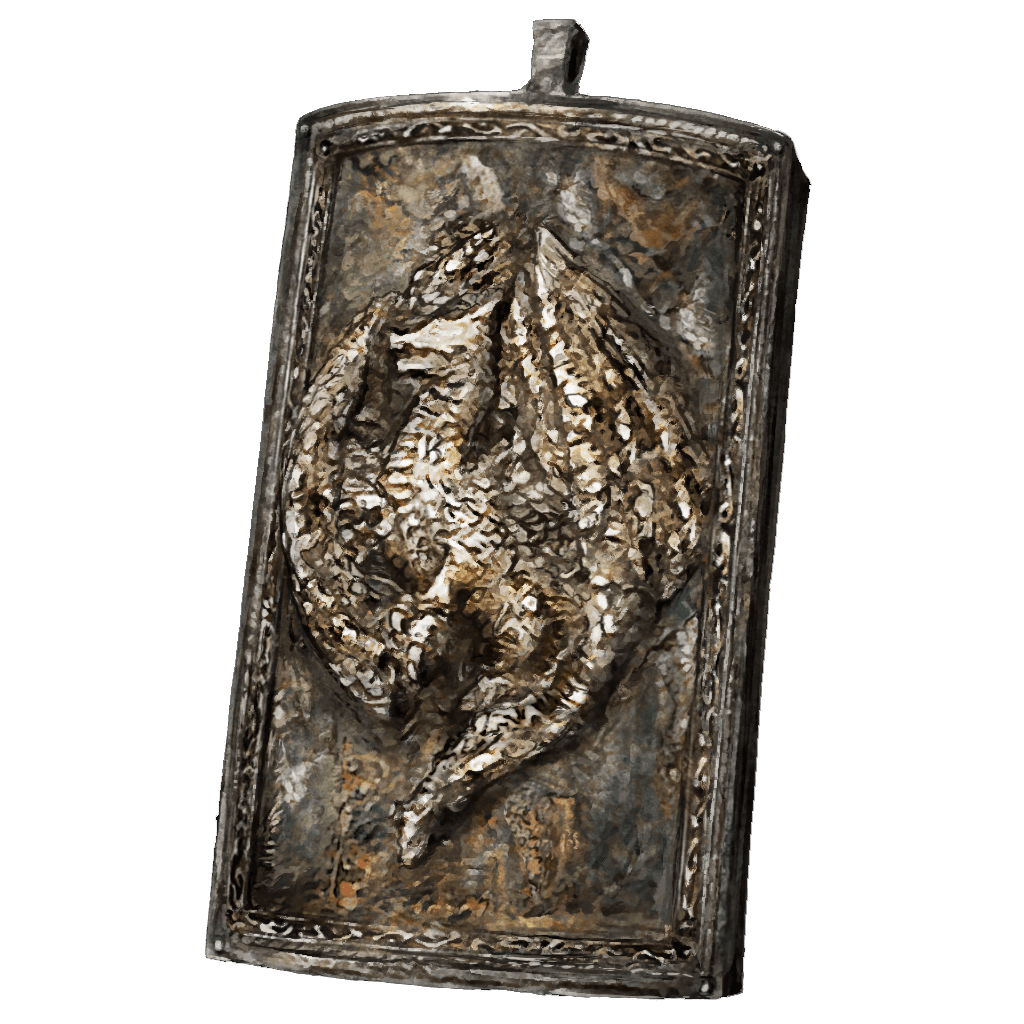
The right talismans significantly boost Bloodhound's Fang damage and survivability.
Shard of Alexander — +15% weapon skill damage. Boosts Bloodhound's Finesse burst. Highest priority.
Rotten Winged Sword Insignia — Increases attack power with successive hits. Pairs well with the fast curved greatsword moveset.
Dragoncrest Greatshield Talisman — +20% physical damage negation. Essential for survival in late-game and DLC content.
Green Turtle Talisman — +8% stamina recovery speed. Keeps you attacking and dodging longer.
Claw Talisman — +15% jump attack damage. Excellent for the jump attack > Bloodhound's Finesse combo.
Best Stats For Bloodhound's Fang
Bloodhound's Fang scales primarily with Dexterity and Strength. Here are the recommended stat allocations by level:
Level 50 Bloodhound's Fang Build
| Attribute | Value |
|---|---|
| Vigor | 35 |
| Endurance | 20 |
| Strength | 18 |
| Dexterity | 30 |
Level 100 Bloodhound's Fang Build
| Attribute | Value |
|---|---|
| Vigor | 45 |
| Endurance | 25 |
| Strength | 18 |
| Dexterity | 45 |
Level 150 Bloodhound's Fang Build
| Attribute | Value |
|---|---|
| Vigor | 60 |
| Endurance | 30 |
| Strength | 18 |
| Dexterity | 60 |
Key Insight
This weapon does not require extreme stat optimization to perform well.
That is part of its strength.
Plan your Bloodhound's Fang stat allocation with the Build Planner — the right STR/DEX balance maximizes its damage output.
Best Bosses For Bloodhound's Fang
This weapon performs exceptionally well against:
Early Game Bosses
- Margit
- Godrick
- Rennala
Mid Game Bosses
- Radahn
- Morgott
- Godfrey (Phase 1)
Why It Works
Because these bosses reward:
- Burst damage
- Hit-and-run timing
- Bleed application
All of which align with the weapon's design.
Weaknesses Of Bloodhound's Fang
Despite its strength, it is not perfect.
Limited Range Control
Compared to spears or magic weapons, range is short.
Punishable Recovery
If Bloodhound's Finesse is misused, it creates vulnerability windows.
Stamina Dependency
Aggressive use can drain stamina quickly.
Why Players Stop Using It Too Early
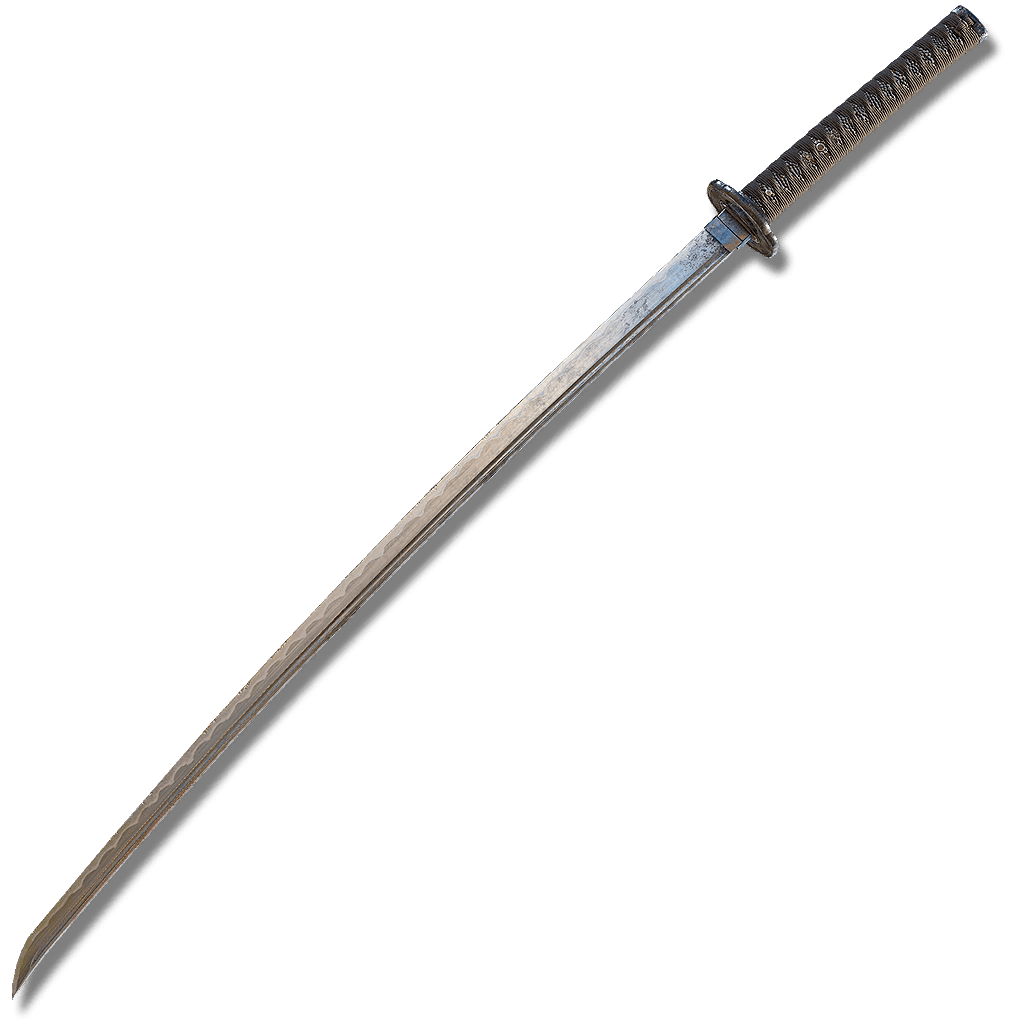
Many players abandon the weapon in late game.
This is usually a mistake.
The reason is perception:
- "It is an early game weapon"
- "It must be replaced"
But mechanically, it remains strong due to:
- Bleed scaling
- High base damage
- Strong skill utility
Bloodhound's Fang vs Moonveil
| Bloodhound's Fang | Moonveil | |
|---|---|---|
| Damage Type | Physical / Bleed | Magic / Bleed |
| Range | Medium | High |
| Difficulty | Easy | Easy |
| Best For | Melee | Hybrid |
| Early Game | * | |
| Late Game |
Bloodhound's Fang excels in the early game with low stat requirements and high physical damage. Moonveil scales better into late game with Intelligence investment. See our Best Moonveil Build for the magic katana setup.
Versus Uchigatana
Bloodhound's Fang deals higher burst damage.
Uchigatana has better flexibility but lower raw impact.
Versus Greatsword
Greatsword has higher stagger potential but slower tempo.
Bloodhound's Fang is more consistent.
Bloodhound's Fang Damage Test
Real damage numbers for Bloodhound's Fang +10 at 60 Dexterity with optimized talismans:
| Attack | Damage | Notes |
|---|---|---|
| Charged R2 | ~800-1000 | With Shard of Alexander |
| Bloodhound's Finesse | ~1200-1500 | Full combo damage |
| Jump Attack | ~600-800 | With Claw Talisman |
| Bleed Proc | ~1000-1500 | Percentage-based, scales with enemy HP |
| Critical Hit | ~1800-2200 | After stance break |
Test values with the Weapon AR Calculator to see exact numbers for your specific stat allocation.
Best Builds With Bloodhound's Fang
Dexterity Build
Most efficient scaling path.
Quality Build
Balanced STR/DEX for stable performance.
Bleed Hybrid Build
Maximizes status effect frequency.
What Bloodhound's Fang Teaches Players
This weapon is more than a strong early-game option.
It teaches core Elden Ring fundamentals:
- Timing over spam
- Positioning over damage stacking
- Mobility as offense
- Bleed as a scaling system
Players who master this weapon often transition more easily into advanced builds.
Best Armor For Bloodhound's Fang
The right armor setup complements Bloodhound's Fang's aggressive playstyle.
Raptor's Black Feathers - +10% jump attack damage. Pairs perfectly with the jump attack > Bloodhound's Finesse combo.
White Mask - +10% attack power on bleed proc. Works well with the weapon's passive bleed buildup.
Veteran's Set - High poise for trading hits. Use when you need to stance-break enemies consistently.
Light Roll Setup - Mix Blue Silver Mail with lighter pieces to stay under 30% equip load for light rolls.
Flask Setup - Opaline Hardtear (+15% all damage negation) + Greenburst Crystal Tear (+15% stamina recovery) for sustained combat.
FAQ
Is Bloodhound's Fang good late game?
Yes. It remains viable through the entire game due to bleed and strong base scaling.
Should I upgrade Bloodhound's Fang?
Yes. It is one of the best early investment weapons. Use Somber Smithing Stones.
Is Bloodhound's Fang better than Moonveil?
It depends on playstyle. Bloodhound's Fang is more consistent physical damage with bleed, while Moonveil is burst magic damage. See our Moonveil Build Guide for comparison.
Where do I get Bloodhound's Fang?
Defeat Bloodhound Knight Darriwil at the Forlorn Hound Evergaol in Limgrave (southwest, near the coastal road).
What is the best stat for Bloodhound's Fang?
60 Dexterity and 18 Strength at level 150. Prioritize Dexterity for the best damage scaling.
Does Bloodhound's Fang work with grease?
Yes - Bloodhound's Fang is buffable with greases and spells. Use Blood Grease for extra bleed buildup or Lightning Grease for elemental damage.
Why is Bloodhound's Fang so popular?
Because it combines high damage, mobility, and bleed in one weapon with low stat requirements. See the damage difference between weapon infusions with the Weapon AR Calculator.